

Domain Name vs Web Hosting: What’s the Difference? (2026 Guide)
August 1, 2026 | by anisurrahaman235f@gmail.com
If you’ve ever tried to buy a website and ended up staring at a checkout page with both a “domain” and a “hosting plan” in your cart, you’re not alone in wondering whether you actually need both, or whether one of them is just an upsell. The short answer is: you need both, but they do completely different jobs. This guide breaks down exactly what each one is, how the pricing actually works behind the scenes in 2026, and how to avoid the common mistakes people make when buying their first one.
The Core Difference in One Sentence
A domain name is the address people type into a browser to find your website. Web hosting is the actual storage space where your website’s files live. One without the other simply doesn’t produce a working website — a domain with no hosting behind it just points to nothing, and hosting with no domain attached is only reachable through a long, hard-to-remember numeric address.
Think of it less like a house and address, and more like a phone number versus the phone itself. Your domain name is the number people dial to reach you. Your hosting is the actual device that receives the call, holds your voicemail, and does the work. You need a working number and a working device for the whole system to function — neither one is optional if you actually want to be reachable.
What a Domain Name Actually Is, Technically
A domain name is made up of at least two parts: the second-level domain (SLD), which is the unique brand name you choose, and the top-level domain (TLD), the extension that comes after it, like .com, .org, or .ai. As of 2026, there are more than 1,500 different TLD options available, ranging from the classic .com to newer, more specific extensions built around industries, hobbies, and even locations, such as .tech, .app, .store, or .xyz.
Domains are not something you buy outright and own forever — you are technically leasing the right to use that name for a set period, usually one to ten years at a time, from a company called a domain registrar. The entire domain name system is overseen by ICANN (the Internet Corporation for Assigned Names and Numbers), a non-profit organization that doesn’t sell domains directly to the public but instead accredits registrar companies to handle registrations on its behalf.
How Domain Pricing Actually Works Behind the Scenes
This part rarely gets explained clearly, and it’s worth understanding if you don’t want to overpay. Each TLD is managed by a specific registry operator that sets a wholesale price, and registrars then add their own markup on top of that before selling it to you. For .com domains specifically, Verisign is the registry operator, and under its current agreement, the wholesale price is allowed to rise incrementally, reaching up to $10.26 by the end of 2026. On top of that wholesale cost, there’s a small mandatory ICANN fee added to every domain registration and renewal, generally around $0.18 to $0.20 per year, which helps fund the broader domain name system.
The markup registrars add on top of that wholesale price varies significantly. Some registrars pass the wholesale price through with little to no markup, keeping .com domains close to the $10 to $11 range even at renewal, while others charge considerably more, with renewal prices for the same .com domain sometimes running closer to $20 or higher. This is exactly why the identical domain name can cost noticeably different amounts depending on where you register it, and why comparing renewal pricing — not just the flashy first-year discount — matters more than most beginners realize.
For most standard TLDs, expect to pay somewhere between $10 and $50 per year for a normal registration, while newer or specialty extensions can sometimes be cheaper, and premium, highly sought-after domain names can sell for hundreds, thousands, or in rare cases even millions of dollars on the resale market.
What Web Hosting Actually Is, and What It Costs
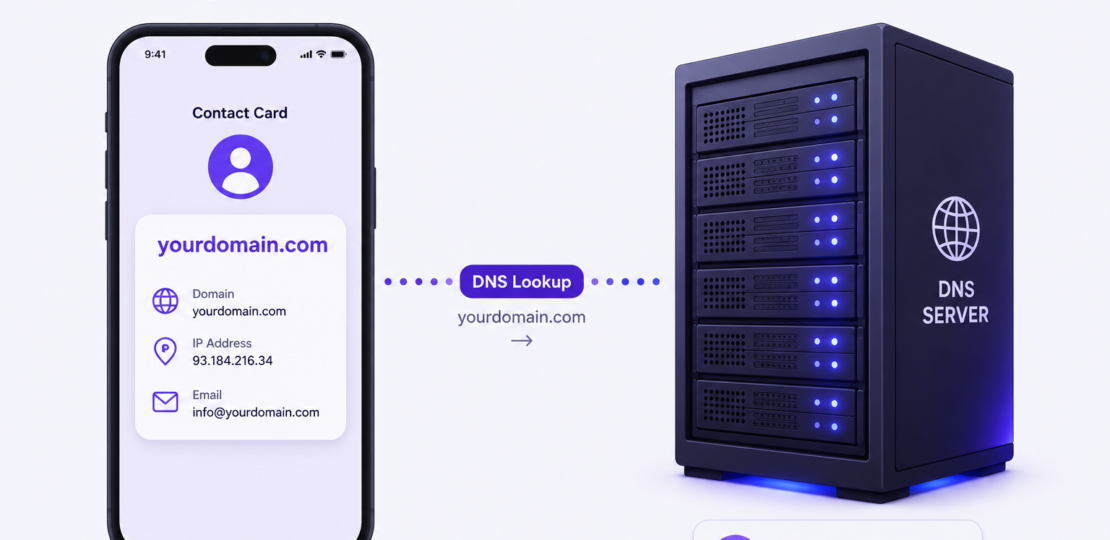
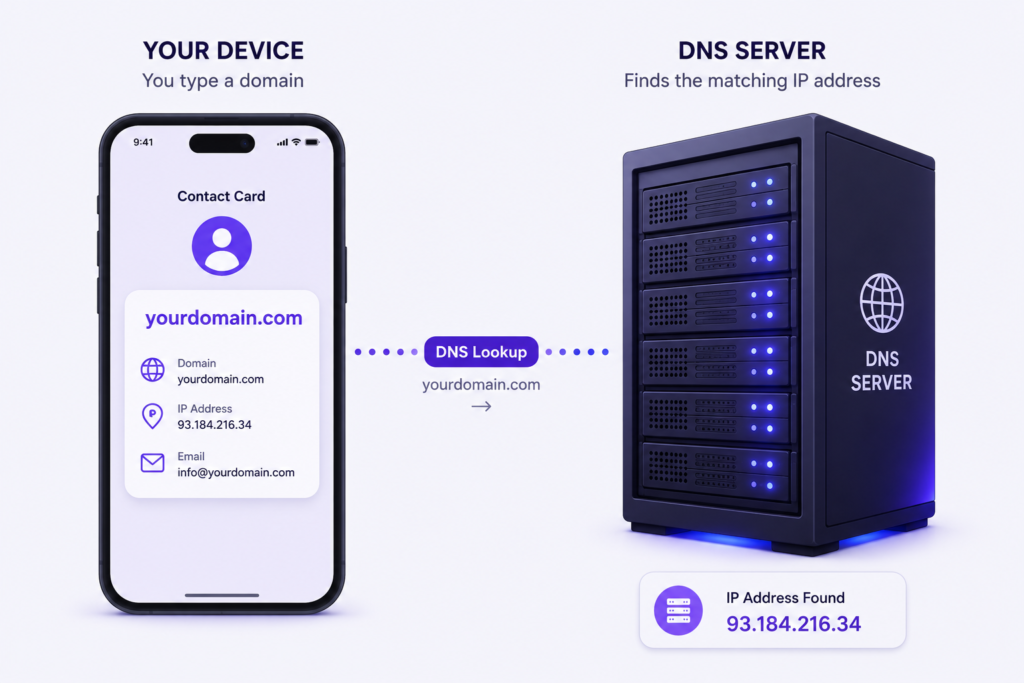
Web hosting is the service that stores your website’s actual files — the HTML, CSS, JavaScript, images, and databases that make up your site — on a server that stays connected to the internet at all times. When someone types your domain name into their browser, a background process called DNS translates that name into the numerical address of the server where your hosting account lives, and that server then delivers your website’s content to the visitor.
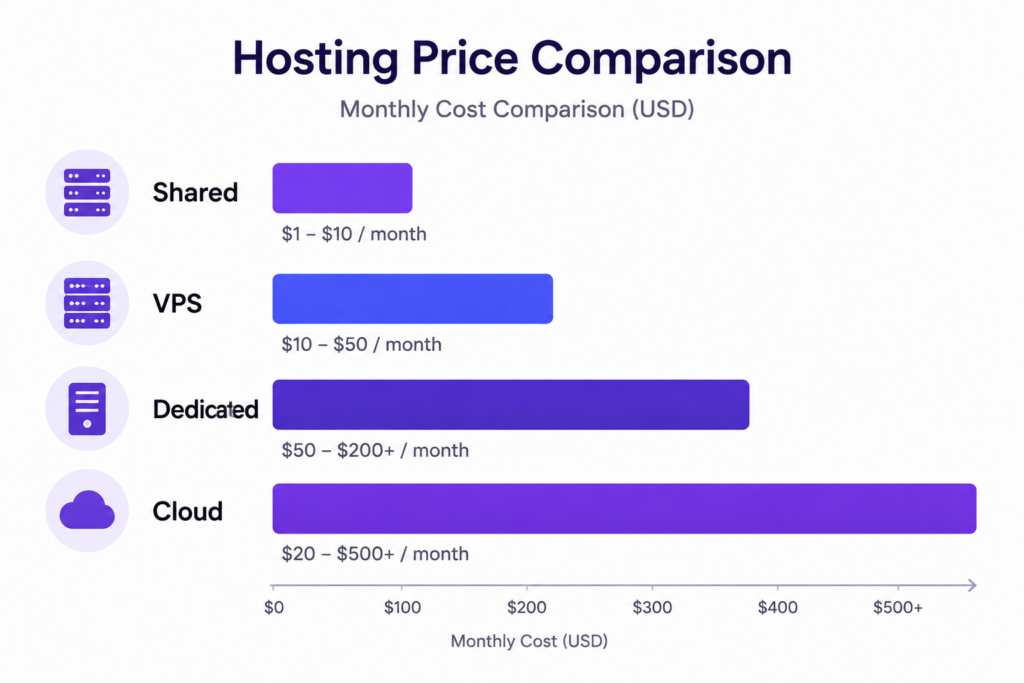
Unlike domain pricing, which is relatively narrow and predictable, hosting costs vary widely depending on the type of plan and how much processing power, storage, and traffic capacity you need:
- Shared hosting typically starts around $3 to $10 per month, ideal for beginners, small blogs, and early-stage business sites.
- VPS hosting generally runs from about $20 to $100 per month, offering dedicated resources for growing sites with more traffic or technical requirements.
- Dedicated hosting can start around $80 per month and climb well past $500 per month for high-traffic, resource-intensive websites.
- Cloud hosting often works on a pay-as-you-go model, where your cost scales directly with how much traffic and computing power your site actually consumes in a given month.
Do You Need to Buy Them from the Same Company?
No, and this is one of the more useful things to understand before you buy either one. Domains and hosting are technically independent services, and you’re free to register your domain with one company and host your website with a completely different one. Many experienced website owners deliberately keep them separate, registering their domain with a registrar known for transparent, low renewal pricing, while choosing a hosting provider based purely on performance and support quality.
That said, buying both from the same provider does have a real convenience advantage, particularly for beginners. Most hosting companies offer a free domain for the first year when you purchase an annual hosting plan, and managing both services through a single dashboard simplifies tasks like connecting your domain to your hosting account, since the technical DNS configuration is often handled automatically rather than requiring a manual setup step.
The tradeoff is that bundled “free domain” offers usually come with a renewal price bump after the first year, so it’s worth checking what that domain will actually cost you starting in year two before assuming the whole package stays cheap indefinitely.
What Happens If You Only Have One and Not the Other
It’s worth spelling out exactly what goes wrong if you skip one half of this pair, because the failure mode is different depending on which one you’re missing.
If you register a domain name but never set up hosting, your domain simply sits there, technically yours, but with nothing behind it. Depending on your registrar, visitors typing that domain into a browser will either see a blank error page or a generic “parked domain” placeholder page provided by the registrar itself.
If you set up hosting but never register a domain, your website technically exists and is live on the internet, but it’s only reachable through a long, awkward numerical IP address or a subdomain provided by your host, something like yourname.hostingcompany.com. This works in a technical sense, but it looks unprofessional, is nearly impossible for people to remember, and can hurt your credibility if you’re running an actual business or brand.
A Practical Buying Checklist
When you’re ready to set up a new website, here’s a sensible order of operations:
- Search for your domain name first, since availability will shape your branding decisions more than anything else.
- Compare registrar renewal pricing, not just the first-year discount, especially for popular TLDs like .com.
- Choose a hosting plan sized for your actual current traffic, not your hoped-for future traffic — you can almost always upgrade later.
- Decide whether to bundle or separate your domain and hosting purchase based on whether you value convenience or long-term pricing control more.
- Confirm DNS propagation after setup, which is the process of your domain officially pointing to your hosting server; this can take anywhere from a few minutes to about 48 hours to fully complete worldwide.
Frequently Asked Questions
Can I use a domain from one company with hosting from a different company?
Yes, this is extremely common. You simply update your domain’s DNS settings at the registrar to point to your hosting provider’s servers, which usually takes a few clicks and up to 48 hours to fully take effect.
Why do domain renewal prices sometimes go up after the first year?
Registrars often offer discounted first-year pricing to attract new customers, then charge closer to (or above) the actual wholesale cost at renewal. Always check the renewal price listed on a registrar’s site before committing.
Do I really own my domain name once I register it?
Not exactly. You’re leasing the right to use that domain name for the length of your registration term, which you can renew indefinitely, but the underlying naming system itself remains managed by the registry and ICANN.
Is a free domain from a hosting company actually free forever?
Usually only for the first year. After that, the domain typically renews at the registrar’s standard annual price, so it’s worth checking that number before assuming the “free” domain stays free.
Final Thoughts
Domain names and web hosting solve two completely different problems — one gives your website a memorable, findable address, and the other gives it an actual place to live on the internet. Understanding where the real costs come from, why identical domains can be priced differently across registrars, and what actually happens if you’re missing one half of the pair puts you in a much stronger position than simply clicking “buy” on whatever bundle a hosting company suggests first. Once you know what each piece is actually doing, choosing the right combination for your specific project becomes a lot less confusing.
This guide reflects general domain and hosting pricing patterns as of August 2026. Specific costs vary by registrar, hosting provider, and TLD, so it is always worth comparing current pricing directly before making a purchase.
RELATED POSTS
View all

How to Choose the Best Web Hosting for Your Website (2026 Guide)
August 1, 2026 | by anisurrahaman235f@gmail.com
What Is Hostinger? A Complete Beginner’s Guide (Updated for 2026)
August 1, 2026 | by anisurrahaman235f@gmail.com
Best Hosting for Small Business Websites in 2026
August 2, 2026 | by anisurrahaman235f@gmail.com