

Pulse Crops Cultivation (Improved Method)
May 24, 2026 | by anisurrahaman235f@gmail.com

Pulse crops (dal) are an integral part of Indian agriculture and diet. They are the richest source of vegetable protein among all food crops. Pulses contain 18–25% protein, which is of high biological value. They also supply essential amino acids that are often lacking in cereal grains like rice and wheat. Therefore, a balanced diet must include pulses along with cereals for complete nutrition.
Besides their nutritional importance, pulse crops belong to the legume family. Their roots host symbiotic Rhizobium bacteria that fix atmospheric nitrogen and supply it to the plant. This natural nitrogen fixation reduces the need for chemical nitrogen fertilizers in pulse crops. Moreover, the residual nitrogen left in the soil after pulse harvest benefits the subsequent crop, allowing farmers to reduce nitrogen application by 30–40 kg per acre in the next season.
On average, growing pulses adds 12–15 kg of nitrogen (equivalent to 30 kg urea) per acre to the soil through biological nitrogen fixation. This makes pulse cultivation highly sustainable and environment-friendly.
Rhizobium Inoculation – The Correct Method
To ensure effective nitrogen fixation, proper inoculation of seeds with the right Rhizobium strain is essential, especially in new or fallow lands.
Step-by-Step Rhizobium Application:
- Soak the seeds in clean water for 15–20 minutes and drain the water.
- Prepare a sticky solution by boiling 100–150 grams of jaggery (gur) in 1 litre of water for about 30 minutes. Allow it to cool.
- Mix 300–400 grams of the recommended Rhizobium culture (sufficient for one acre) thoroughly in this jaggery solution.
- Coat the required quantity of seeds evenly with this mixture. Keep the coated seeds for 10–15 minutes.
- Dry the seeds in shade (never in direct sunlight).
- Sow the treated seeds in the morning or late afternoon.
Note: Never expose inoculated seeds to direct sunlight or chemical pesticides, as these can kill the living Rhizobium bacteria. Rice gruel (cooked rice water) can also be used as an alternative sticking agent.
Recommended Rhizobium Strains for Different Pulses
| Pulse Crop | Recommended Rhizobium Strain |
|---|---|
| Pigeon pea (Arhar) | CC-1, IHP-195, A-2, A-19, IC-3100 |
| Mung bean (Mung) | MG-5, KM-1, M-10, GMBS-1 |
| Black gram (Urd/Kalai) | BM, BSP-47, PUR-16, PUR-34, CRU-7, DU-106, KU-1, BKR-1-04 |
| Chickpea (Chola) | F-6, F-75, H-45, IC-76 |
| Lentil (Masur) | LB-4, LLR-22, LR-51-97, LRB-1, LRB-2, LWBR-1, L-1-77, L-21-83 |
| Pea (Motor) | P-10-76 |
| Grass pea (Khesari) | K-5 |
Best Practices for Higher Yield in Pulse Cultivation
- Choose improved, disease-resistant varieties suitable for your region.
- Always treat seeds with the appropriate fungicide and Rhizobium culture before sowing.
- Sow at the correct time and maintain proper seed rate.
- Prefer line sowing over broadcasting for better intercultural operations.
- Apply balanced fertilizers based on soil test.
- Correct soil acidity or alkalinity through liming if needed.
- Spray 2% DAP or urea solution at flowering stage (usually 30 days after sowing).
- Provide one irrigation at the critical flowering stage if rainfall is inadequate.
- Adopt integrated pest and disease management.
- Harvest at the right maturity stage.
- Dry seeds properly before storage.
Mung Bean (Moong) Cultivation
Soil Requirement:
Mung bean grows best in well-drained sandy loam to loam soils. It does not tolerate heavy waterlogging. Medium salinity is tolerable, but highly saline soils should be avoided. The ideal soil pH is 6.0–7.5.
Varieties:
- Sonalika, Panna (B-105), Samrat (PDM-84-139), Basanti (PDM-84-143) — Most pods mature simultaneously.
- K-581, PDM-54, Panth Mung-4 — Suitable for staggered harvesting.
- Recently released varieties Samrat and Basanti show good resistance to yellow mosaic virus.
Seed Treatment:
Treat seeds with Mancozeb 75% WP (3 g/kg seed), Thiram 75% (2 g/kg), or Captan 75% (2 g/kg). Apply Rhizobium culture at least 7 days after fungicide treatment.
Sowing:
- Kharif Season: Falgun–Chaitra or Bhadra month.
- Seed rate: 2.5–4 kg per bigha (33 decimal).
- Line sowing (20 cm × 10 cm) is preferred.
- Maintain 50–55 plants per square metre after thinning.
Fertilizer Application (per acre):
- Basal: 8 kg Nitrogen, 16 kg Phosphate, 16 kg Potash.
- No top dressing is usually required.
- For one bigha: 5.75 kg Urea + 33.25 kg Single Super Phosphate + 9 kg MOP.
To meet micronutrient needs, spray chelated zinc (0.5 g/litre), boron (1.5 g/litre), and ammonium molybdate (0.5 g/litre) at 3, 4, and 5 weeks after sowing respectively (40 litres solution per bigha). A 2% DAP or urea spray at 30–40 days after sowing boosts yield.
Intercultural Operations and Irrigation:
- Thin out excess plants 12–15 days after sowing.
- Keep the field weed-free.
- Apply Atrazine 800 g/acre as pre-emergence herbicide.
- One light irrigation at flowering stage is beneficial if rains fail.
- Earthing up improves root development.
Crop Protection
1. Powdery Mildew: White powdery growth appears on lower leaves.
Control: Spray Carbendazim 1 g or Tridemorph 0.5 ml or Myclobutanil 0.5 g per litre water. Avoid late sowing.
2. Rust: Brownish pustules appear on leaves.
Control: Spray Propiconazole 0.75 ml or Metalaxyl + Mancozeb 2.5 g per litre water.
Harvesting:
Mung pods are harvested in 2–3 pickings starting from 60 days after sowing. Average yield under good management is 80–120 kg per bigha.
Conclusion on Pulse Cultivation
Pulses are the backbone of sustainable agriculture. They improve soil fertility through nitrogen fixation, provide high-quality protein, and reduce dependence on chemical fertilizers. By adopting improved varieties, proper Rhizobium inoculation, balanced nutrition, timely sowing, and integrated pest management, farmers can achieve significantly higher yields and make pulse cultivation highly profitable. Regular use of organic manure, micronutrients, and scientific storage practices will further enhance long-term productivity and soil health.
Pulse Crops Cultivation (Improved Method) – Final Section
Leaf Spot and Leaf Blight in Pulses
Leaf spot and leaf blight are common fungal diseases affecting many pulse crops, particularly during humid and cloudy weather. These diseases can reduce photosynthesis, weaken plants, and lower both grain yield and quality.
Symptoms:
- Small, elongated, brown to dark brown spots appear on leaves and pods.
- Spots gradually enlarge, merge, and cause leaves to scorch and dry up.
- In severe cases, pods develop dark lesions, leading to shrivelled or infected seeds.
Control Measures:
Spray any one of the following fungicides per litre of water at the first sign of infection and repeat after 10–12 days if necessary:
- Thiophanate methyl 1 g
- Propiconazole 0.75 ml
Early detection and timely spraying, combined with resistant varieties and proper crop rotation, are the most effective ways to manage these diseases.
Characteristics of Some High-Yielding Pulse Varieties
| Crop | Variety | Duration (days) | Protein (%) | Special Features |
|---|---|---|---|---|
| Mung | Sonalika (B-1) | 60–65 | 29.4 | Golden seeds, 80% pods mature simultaneously |
| Mung | Panna (B-105) | 55–60 | 23.3 | Small golden seeds |
| Mung | PDM-54 | 70–75 | 27.0 | Green seeds |
| Mung | Samrat (PDM-84-139) | 60–65 | 26.5 | Bright green seeds, resistant to yellow mosaic virus |
| Black Gram | Kalindi (B-76) | 80–85 | 23.0 | Black medium seeds |
| Black Gram | Sarada (WBU-108) | 80–83 | 24.6 | Black medium seeds, resistant to yellow mosaic |
| Black Gram | Gautam (WBU-105) | 80–85 | 24.6 | Resistant to yellow mosaic, suitable for summer |
| Lentil | Asha (B-77) | 125–130 | 27.0 | High yielding |
| Lentil | Ranjan (B-256) | 125–130 | 28.0 | High yielding |
| Lentil | Subrata (WBU-58) | 120–125 | 28.0 | High yielding |
| Chickpea | Mahamaya-1 (B-108) | 130–135 | 18.0 | High yielding |
| Chickpea | Mahamaya-2 (B-115) | 125–130 | 19.0 | High yielding |
| Chickpea | Anuradha (WBG-39) | 125–130 | 19.0 | High yielding |
| Pigeon Pea | Mahamaya (B-22) | 130–135 | 28.0 | High yielding |
| Pigeon Pea | GF-68 | 80–85 | 28.0 | Early maturing |
| Pigeon Pea | DDR-23 | 100–105 | 27.5 | High yielding |
| Pigeon Pea | Nirmal (B-1) | 120–130 | 27.0 | High yielding |
| Pigeon Pea | Ratan (Bio L-212) | 110–120 | 26.5 | High yielding |
| Pigeon Pea | Shweta (B-7) | 225–240 | 17.6 | Long duration |
| Pigeon Pea | Chuni (B-517) | 240–250 | 18.0 | Long duration |
| Soybean | JS 80-21 | 95–109 | 40.0 | High protein |
| Soybean | JS-335 | 98–102 | 40.0 | High protein |
| Soybean | Birsa Soybean-1 | 95–105 | — | High yielding |
| Soybean | PK-472 | 100–105 | 40.0 | High protein |
Yellow Mosaic Disease in Mung and Black Gram
Yellow mosaic is a viral disease transmitted by whiteflies. It has become a major constraint in pulse production in West Bengal.
Symptoms:
- Symptoms appear 3 weeks after sowing.
- Leaves show yellow mosaic patterns and become curled.
- Plant growth is stunted, flowering is delayed, and pod formation is poor.
- Yield can be reduced by 50–80% in severe cases.
Control Measures:
- Use resistant varieties like Samrat and Basanti.
- Control whiteflies with Methyl Demeton 2 ml or Imidacloprid 0.20 ml per litre of water.
- Rogue out infected plants early.
- Avoid late sowing.
Insect Pests in Pulses
1. Leaf Folder and Shoot Borer: Larvae fold leaves or bore into tender shoots.
Control: Spray Acephate 0.75 g or Acephate + Fenvalerate 1 ml per litre water.
2. Tobacco Caterpillar / Armyworm: Highly destructive. Larvae feed on leaves and pods.
Control: Spray in the late afternoon. Mix 4 g jaggery per litre water with Triazophos 1 ml or Methomyl 1 g per litre. Alternatively, use poison bait (1.5 kg rice bran + 150 g jaggery + 15 ml Fenvalerate) per bigha. Deep ploughing helps expose pupae.
Black Gram (Urd / Kalai) Cultivation
Soil: Sandy loam to loam soils are best. It tolerates medium salinity but not waterlogging.
Varieties:
- Kalindi (B-76)
- Krishna
- Basant Bahar (PDU-1)
- Panth U-19
- Gautam (WBU-105)
- Uttara (IPU-94-1)
- Sarada (WBU-108)
- T-9
- WBU-110 (good for alluvial soils)
Seed Treatment: Same as mung — use Mancozeb, Thiram, or Captan at recommended rates. Apply Rhizobium 7 days after fungicide treatment.
Sowing:
- Season: Falgun–Chaitra or Bhadra.
- Seed rate: 3–4 kg per bigha.
- Line sowing (30 cm × 15 cm) is preferred. Maintain 30–35 plants per square metre.
Fertilizer:
- Basal: 8 kg N, 16 kg P, 16 kg K per acre.
- No top dressing required.
- For one bigha: 5.75 kg Urea + 33.25 kg SSP + 9 kg MOP.
- Lime application is recommended in acidic soils.
Lentil (Masur) Cultivation
Varieties: Asha (B-77), Ranjan (B-256), Subrata (WBU-58), B-62, B-177.
Seed Treatment: Same as other pulses.
Sowing: Mid-Kartik to mid-Agrahayan. Seed rate: 4–5 kg per bigha. Line sowing (30 cm × 4 cm).
Fertilizer:
- Basal: 12 kg N, 24 kg P, 24 kg K per acre.
- Spray 2% urea or DAP at 30–40 days.
- Boron and molybdenum sprays at specific stages improve yield.
Disease and Pest Management
Grey Mould: Spray Mancozeb 2.5 g or Chlorothalonil 2 g per litre during flowering if humid conditions prevail.
Powdery Mildew: Spray Dinocap 0.5 ml or Propiconazole 0.75 ml per litre.
Aphids: Spray Carbofuran 2 ml or Imidacloprid 0.20 ml per litre.
Pod Borer: Spray Acephate 0.75 g or Cartap 1 g or Ethofenprox 1 ml per litre.
Harvesting and Yield
Lentil matures in 120–130 days. Average yield: 120–180 kg per bigha under good management.
Conclusion on Pulse Crops Cultivation
Pulse crops are vital for nutritional security, soil health, and sustainable farming. They fix atmospheric nitrogen, reduce fertilizer costs, and improve the productivity of subsequent crops. By adopting improved varieties, proper Rhizobium inoculation, balanced nutrition, timely sowing, effective weed and pest management, and scientific harvesting and storage practices, farmers can significantly increase pulse production and profitability. Regular use of organic manure, micronutrients, and integrated disease management will ensure long-term soil fertility and higher yields.
With the growing demand for protein-rich foods and the government’s emphasis on pulse self-sufficiency, pulse cultivation offers excellent opportunities for farmers in West Bengal. Proper knowledge and adoption of improved technologies will make pulse farming more rewarding and environmentally sustainable.
Chickpea (Chola) Cultivation
Soil Requirement:
Chickpea thrives best in sandy loam to loam soils with good drainage. It is highly sensitive to waterlogging. Medium saline soils are tolerable, but highly saline lands should be avoided. The ideal soil pH range is 6.0–7.5.
Recommended Varieties:
- Mahamaya-1 (B-108)
- Mahamaya-2 (B-115)
- Anuradha (WBG-39/2)
- B-75, B-18
- For rainfed areas: Ganganagar-469, NDG-9029
Seed Treatment:
Treat seeds with Mancozeb 75% WP (3 g/kg seed), Thiram 75% (2 g/kg), or Captan 75% (2 g/kg). Apply Rhizobium culture at least 7 days after fungicide treatment.
Sowing:
Sow in Agrahayan month. Seed rate: 6.5–8 kg per bigha.
- Line sowing: 30 cm row-to-row and 10 cm plant-to-plant distance.
- Maintain 30–33 plants per square metre.
- Inoculate seeds with appropriate Rhizobium culture before sowing.
Fertilizer Application (per acre):
- Basal dose: 12 kg Nitrogen, 24 kg Phosphate, 24 kg Potash.
- No top dressing is usually required.
- For one bigha: 9.5 kg Urea + 50 kg Single Super Phosphate + 13.5 kg MOP.
In boron and molybdenum deficient soils, spray 2 g borax + 0.5 g ammonium molybdate per litre of water at 21 and 42 days after sowing. Apply other micronutrients as per soil test.
Disease and Pest Management:
- Wilt / Collar Rot: Plants suddenly wilt and collapse, especially in cold weather.
Control: Seed treatment with Captan 3 g/kg seed. Intercrop with linseed (2 rows chickpea + 1 row linseed) to reduce incidence. - Blight: Brown spots appear on leaves, leading to drying.
Control: Spray Mancozeb 2.5 g per litre of water. - Rust: Dark brown pustules appear on the underside of leaves.
Control: Spray Benomyl 0.5 g or Propiconazole 0.75 ml per litre of water. - Pod Borer: A serious pest in late-sown crops. Larvae bore into pods and eat the grains.
Control: Spray Endosulfan 2 ml or Profenofos 1.5 ml per litre of water. Mixed cropping with mustard helps reduce attack. Timely sowing is the best preventive measure.
Harvesting and Yield:
Chickpea matures in 130–135 days. Average yield under good management: 250 kg per bigha.
Pigeon Pea (Arhar / Tur) Cultivation
Soil Requirement:
Pigeon pea can be grown on a wide range of soils, but performs best in light to medium soils with good drainage.
Varieties:
- Early duration (120 days): TAT-10, UPAS-120, Prabhat, T-21, Pusa Agati
- Medium duration (160 days): Rab (20/105)
- Long duration (180+ days): Shweta (B-7), Chuni (B-517), Jagriti
Seed Treatment: Same as other pulses — use Mancozeb, Thiram, or Captan. Apply Rhizobium culture 7 days later.
Sowing:
- Kharif: Jyaistha–Ashar or Ashwin month.
- Seed rate: 3–3.5 kg per bigha.
- Spacing:
- Early: 1 ft × 1 ft
- Medium: 2 ft × 1 ft
- Long: 3 ft × 1–1.5 ft
Fertilizer Application:
- Basal: 12 kg N, 24 kg P, 24 kg K per acre.
- No top dressing required.
- For one bigha: 9.5 kg Urea + 50 kg SSP + 13.5 kg MOP.
- Spray boron and molybdenum as needed (same as chickpea).
Irrigation:
If irrigation facility is available, apply at 75 and 100 days after sowing.
Disease and Pest Management:
- Wilt: Sudden wilting and death of plants.
Control: Seed treatment with Thiram 3 g/kg. Apply organic manure generously. - Rust: Dark brown pustules on lower leaf surface.
Control: Spray Metalaxyl + Mancozeb 2.5 g or Propiconazole 0.75 ml per litre. - Pod Borer / Helicoverpa: Larvae bore into pods.
Control: Spray Acephate 0.75 g or Carbofuran 2 ml per litre. Timely sowing and mixed cropping help reduce damage.
Yield: 175–225 kg per bigha.
Pea (Motor) Cultivation
Soil Requirement:
Alluvial sandy loam soils are ideal, though it can be grown in various soil types.
Varieties: Dhushar (B-22), GF-68, Shankar, DDR-23, Rachna, etc.
Seed Treatment: Same standard protocol as other pulses.
Sowing:
Kartik–Agrahayan month. Seed rate: 7–10 kg per bigha (lower in line sowing).
Spacing: 20 cm × 10 cm.
Fertilizer Application:
- Basal: 8 kg N, 16 kg P, 16 kg K per acre.
- Micronutrient sprays (zinc, boron, molybdenum) as in mung.
- 2% urea/DAP spray at 30–40 days after sowing.
Irrigation:
One irrigation at pod formation stage is beneficial. Two irrigations (early growth + pod formation) give better results.
Disease and Pest Management:
- Powdery Mildew: White powdery growth on leaves.
Control: Spray Sulphur 3 g or Carbendazim 1 g per litre. - Rust: Dark brown pustules on lower leaf surface.
Control: Spray Propiconazole 0.75 ml or Metalaxyl + Mancozeb 2.5 g per litre. - Aphids: Suck sap from tender parts.
Control: Spray Fipronil 1 ml or Methyl Demeton 2 ml per litre. - Caterpillar: Feeds on leaves and pods.
Control: Spray Carbofuran 2 ml or Triazophos 1 ml per litre.
Yield: Matures in 90–120 days. Average yield: 200–250 kg per bigha.
Soybean Cultivation
Soil Requirement:
Well-drained loam to clay loam soils are best.
Varieties: Soyamax, PK-472, JS-80-21, JS-335, Birsa Soybean-1, etc.
Seed Treatment: Standard fungicide + Rhizobium protocol.
Sowing:
Ashar–Shraban or Agrahayan month. Seed rate: 7 kg per bigha.
- Kharif: 1.5 ft × 1 ft spacing
- Rabi: 1 ft × 6 inch spacing
Fertilizer Application:
- Basal: 8 kg N, 24 kg P, 24 kg K per acre.
- No top dressing required.
- Micronutrients as per deficiency.
Irrigation:
At least 2 irrigations after flowering are essential. One additional irrigation during early growth is beneficial.
Disease and Pest Management:
- Root Rot: Apply Copper Oxychloride 4 g per litre around the base. Seed treatment is essential.
- Leaf Spot: Spray Myclobutanil 0.5 g or Carboxin 1 g per litre.
- Pod Borer: Spray Acephate 0.75 g or Chlorpyrifos + Cypermethrin 1.5 ml per litre.
Yield: Matures in 90–120 days. Average yield: around 200 kg per bigha.
Conclusion: Improved Pulse Crops Cultivation
Pulse crops play a vital role in nutritional security, soil fertility improvement, and sustainable farming systems. They are rich in protein, fix atmospheric nitrogen through Rhizobium symbiosis, and reduce the need for chemical fertilizers. By following improved practices — selection of high-yielding varieties, proper seed treatment and inoculation, balanced fertilization, timely sowing, effective disease and pest management, and scientific harvesting — farmers can achieve significantly higher yields and profits.
Adoption of these scientific methods will not only increase pulse production in West Bengal but also enhance soil health for future crops. Regular use of organic manure, micronutrients, and integrated pest management will ensure long-term sustainability.
With rising demand for protein-rich foods and government support, pulse cultivation offers excellent opportunities for small and marginal farmers.
RELATED POSTS
View all

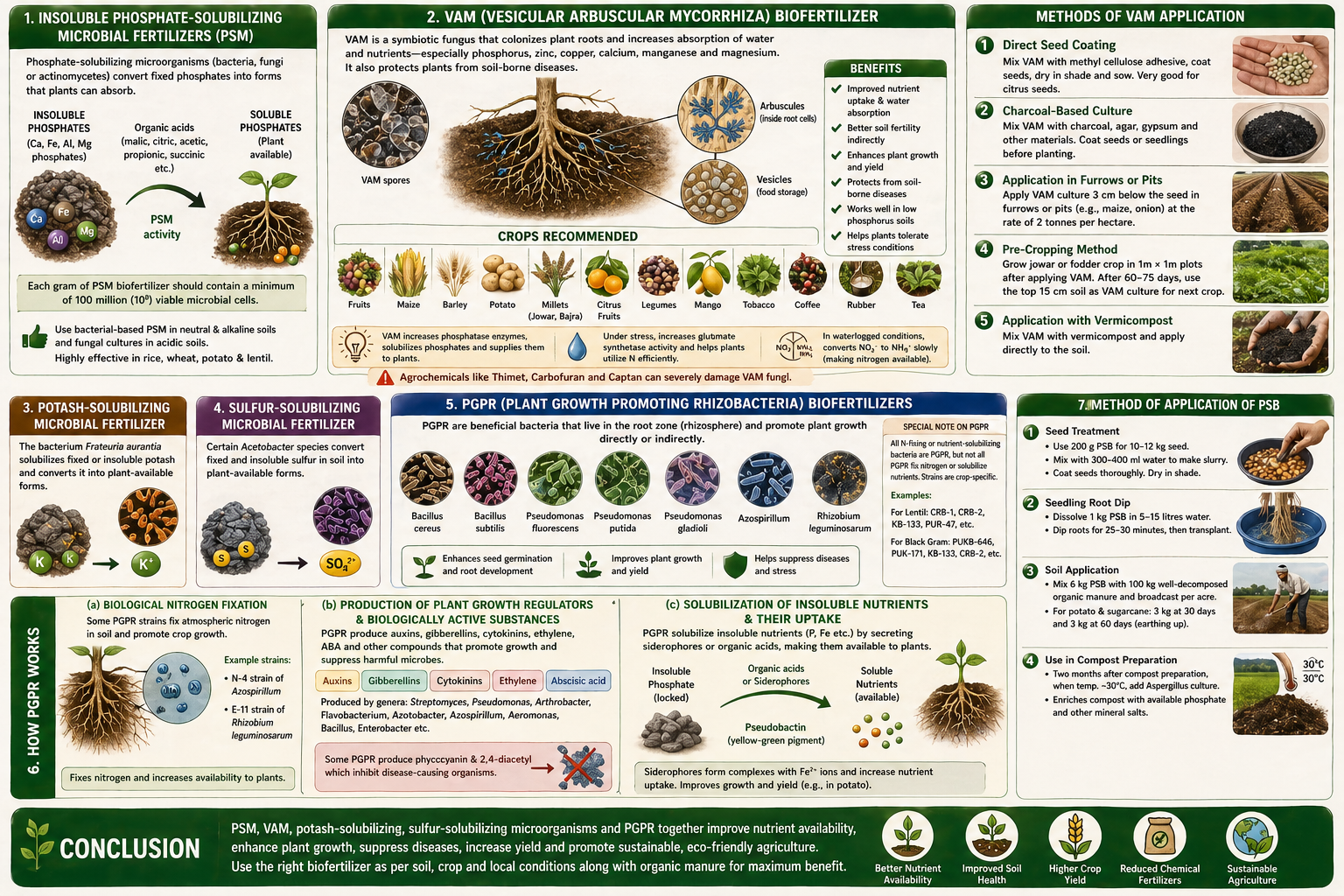
Insoluble Phosphate-Solubilizing Microbial Fertilizers (PSM)
April 25, 2026 | by anisurrahaman235f@gmail.com
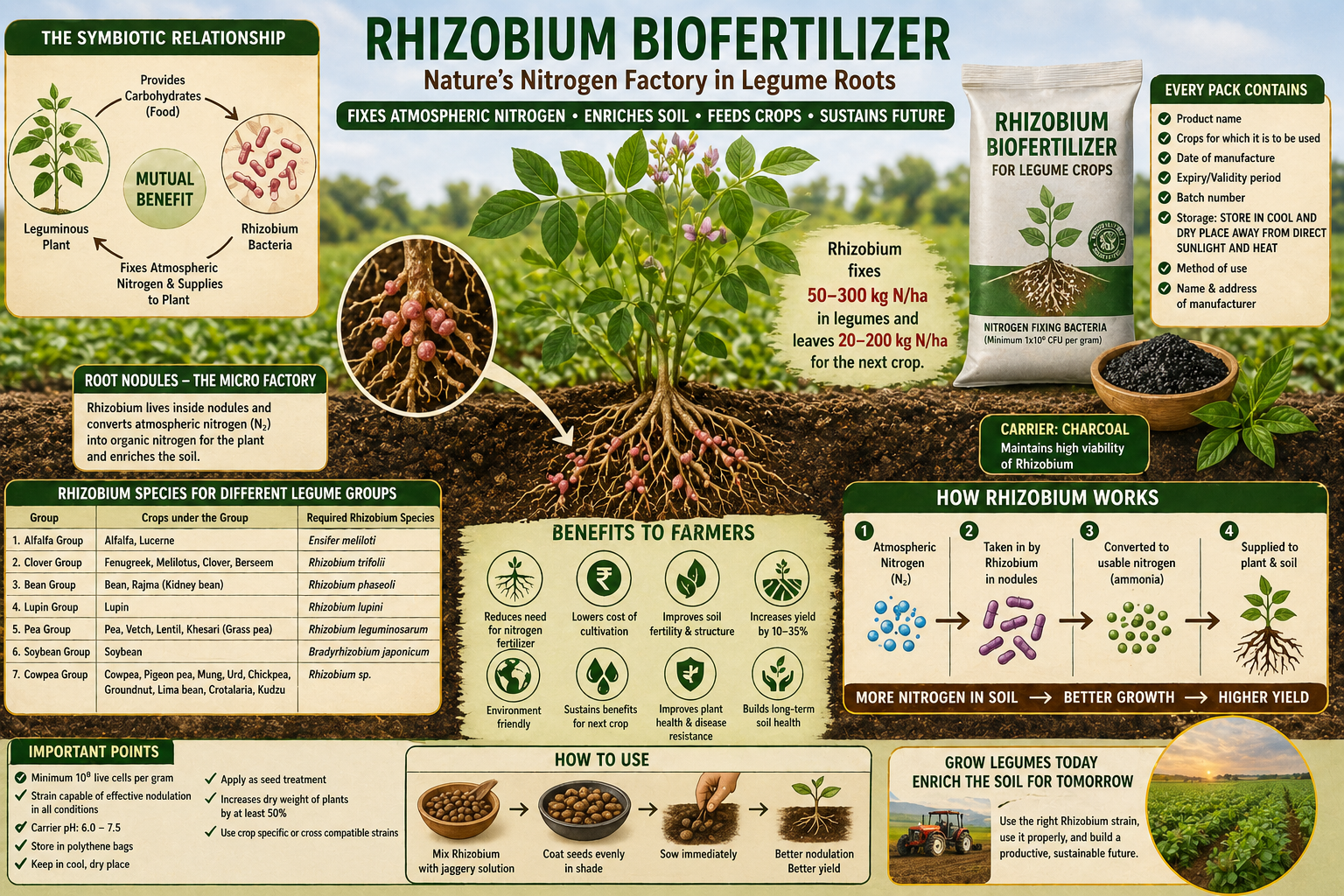
Effectiveness of Different Types of Beneficial Microbial Fertilizers
April 25, 2026 | by anisurrahaman235f@gmail.com
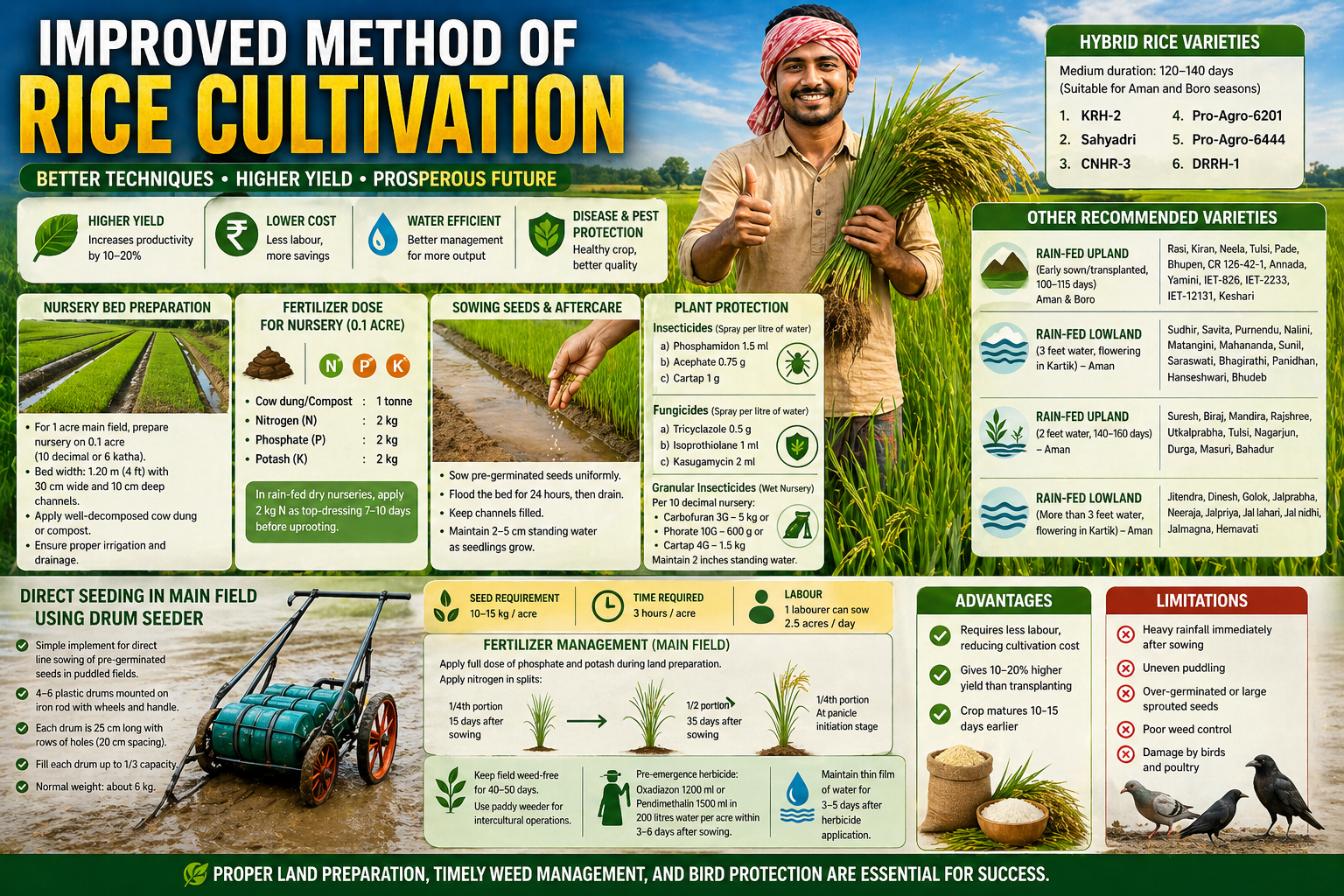
Improved Method of Rice Cultivation / 4
April 27, 2026 | by anisurrahaman235f@gmail.com